
Castles, Gyoza, Hidden Bamboo Forests, and the Best Furikake I’ve Ever Tasted
Three Days in Kyoto That Completely Changed My Plans
I arrived in Kyoto with a checklist.
You know the kind. The famous sights. The iconic photos. The attractions everyone tells you that you absolutely must see.
But Kyoto had other ideas.
Over three days, I found myself wandering centuries-old castle grounds, eating more gyoza than any reasonable person should, discovering a bamboo forest with almost no tourists, and becoming mildly obsessed with a seasoning called furikake that somehow made me rethink rice forever.
Sometimes the best travel memories happen when you stop trying to see what everyone else sees.
And Kyoto turned out to be one of those places.
Nishiki Market and the Furikake That Followed Me Home
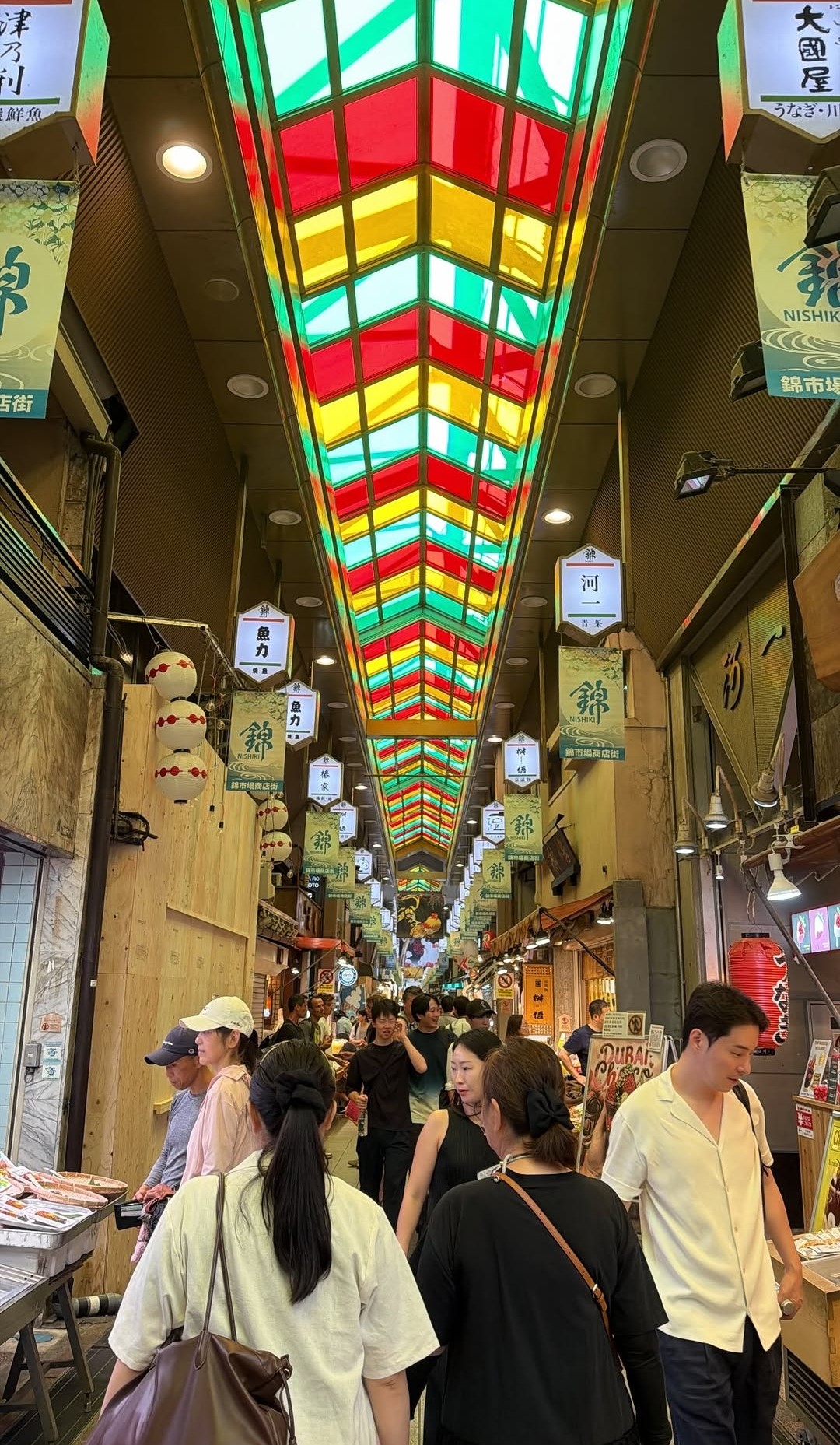
If Kyoto has a heartbeat, it might just be Nishiki Market.
Often called”Kyoto’s Kitchen,” this narrow covered market stretches for several blocks through the heart of the city and has been feeding locals for centuries. Official records trace the market back to 1615, when it was recognized as a fish market by the Edo government, although historians believe vendors were selling food in this area much earlier because of the cold underground water that helped keep fish fresh before refrigeration existed. The market’s famous groundwater was so important that many shops once used wells as natural refrigerators.
As I wandered beneath the colorful ceiling, it was easy to see why Nishiki has survived for more than 400 years. More than a market, it feels like a living museum of Kyoto’s food culture. Vendors sell everything from pickled vegetables and dried seafood to handmade sweets, Japanese knives, tea, spices, and local specialties you won’t find anywhere else. Generations of families have operated some of these shops, passing recipes and traditions down through the decades.
Of course, I arrived intending to “just look around.”
Anyone who knows me can stop laughing now.
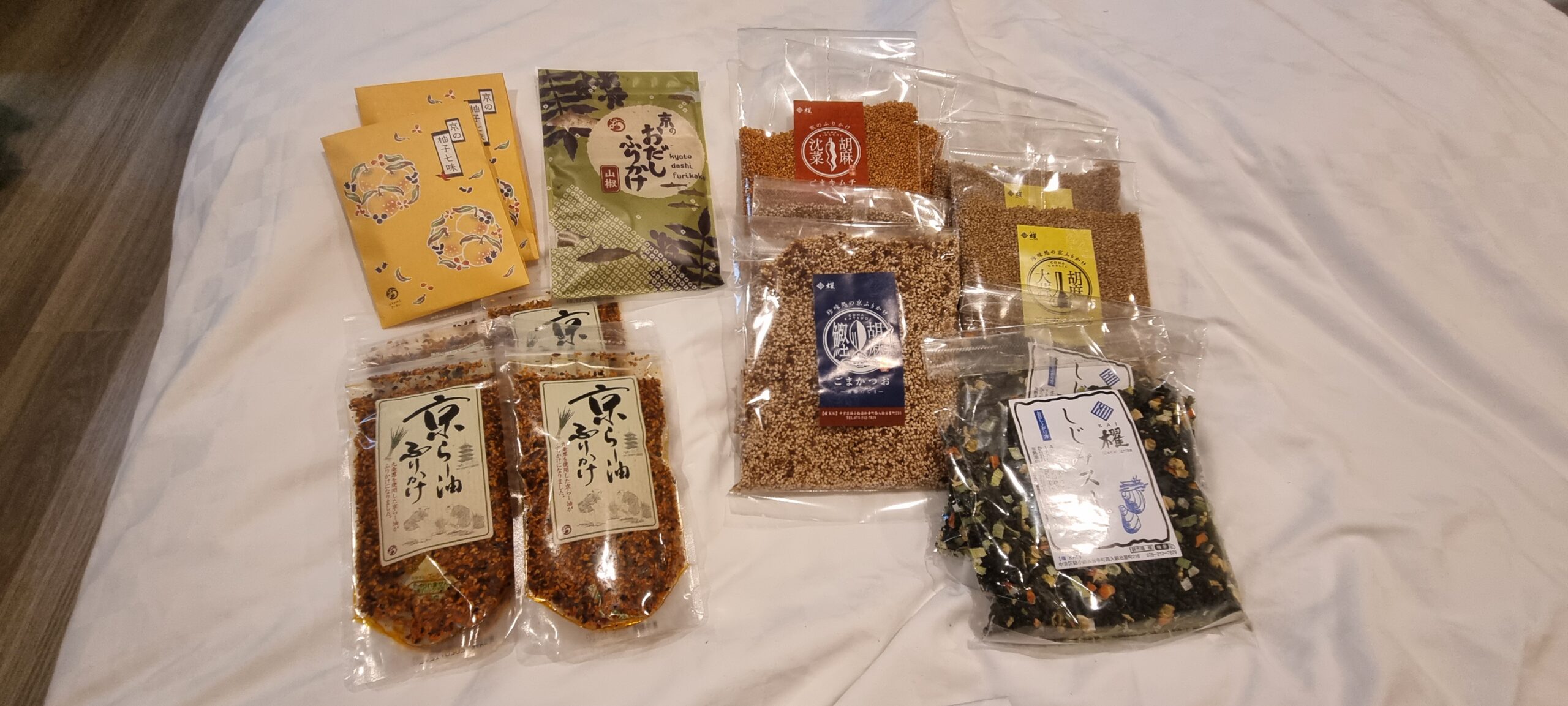
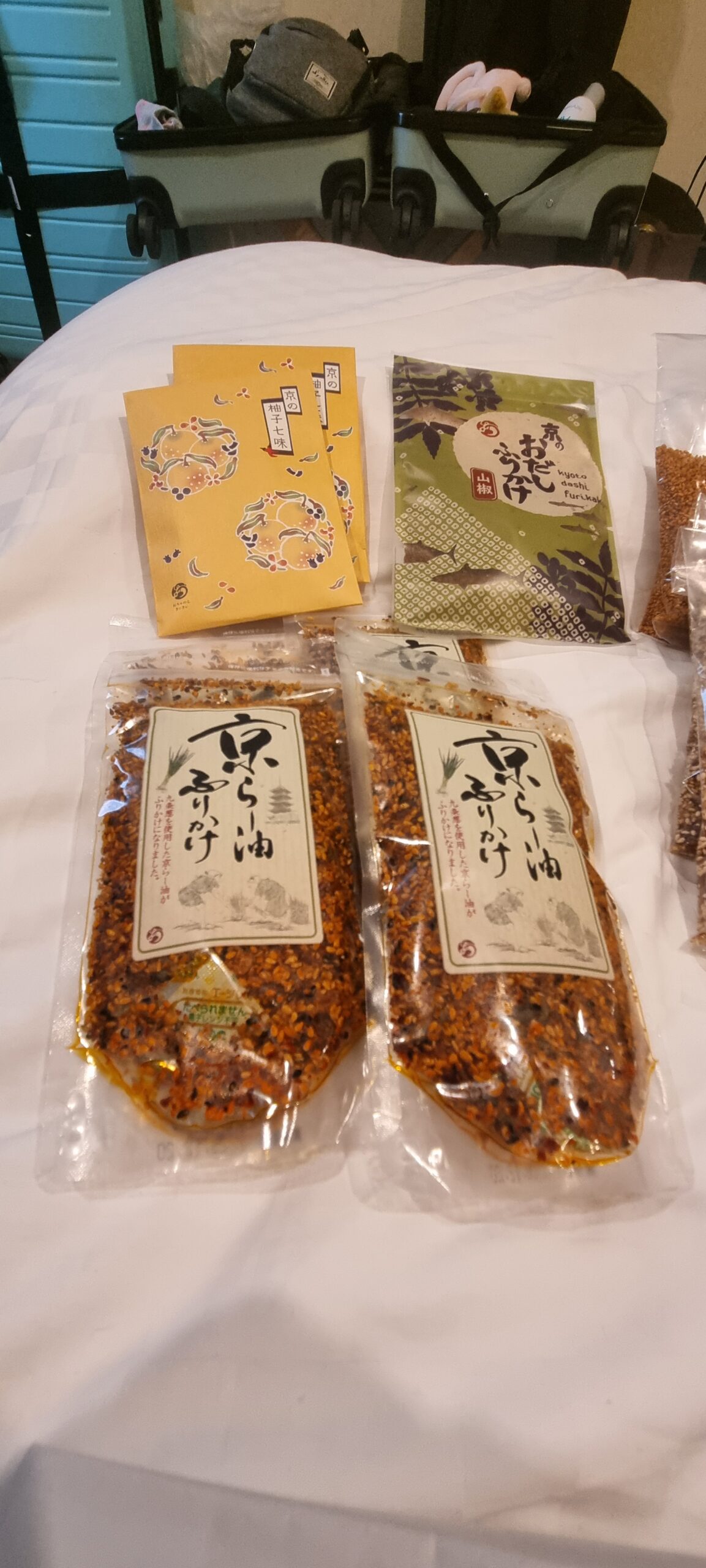
Because that’s where I discovered what would become one of my favourite souvenirs from Japan: furikake.
Sure, I’d sprinkled the occasional store-bought furikake over rice before, but Nishiki Market was a completely different experience. Stall after stall offered varieties made with sesame, seaweed, bonito flakes, shiso, yuzu, chili peppers, and ingredients I’d never even heard of. Every vendor seemed convinced theirs was the best.
Naturally, I felt obligated to investigate.
Extensively.
A few samples turned into a small purchase. The small purchase somehow multiplied into several more bags. Before long, I was doing mental luggage calculations and wondering whether Customs would question the suspicious quantity of seasoning hidden among my clothes.
To this day, every time I sprinkle furikake on a bowl of rice, I’m reminded of wandering through Nishiki Market, getting pleasantly lost among the stalls, and discovering that some of the best souvenirs aren’t souvenirs at all.
Sometimes they’re just delicious.
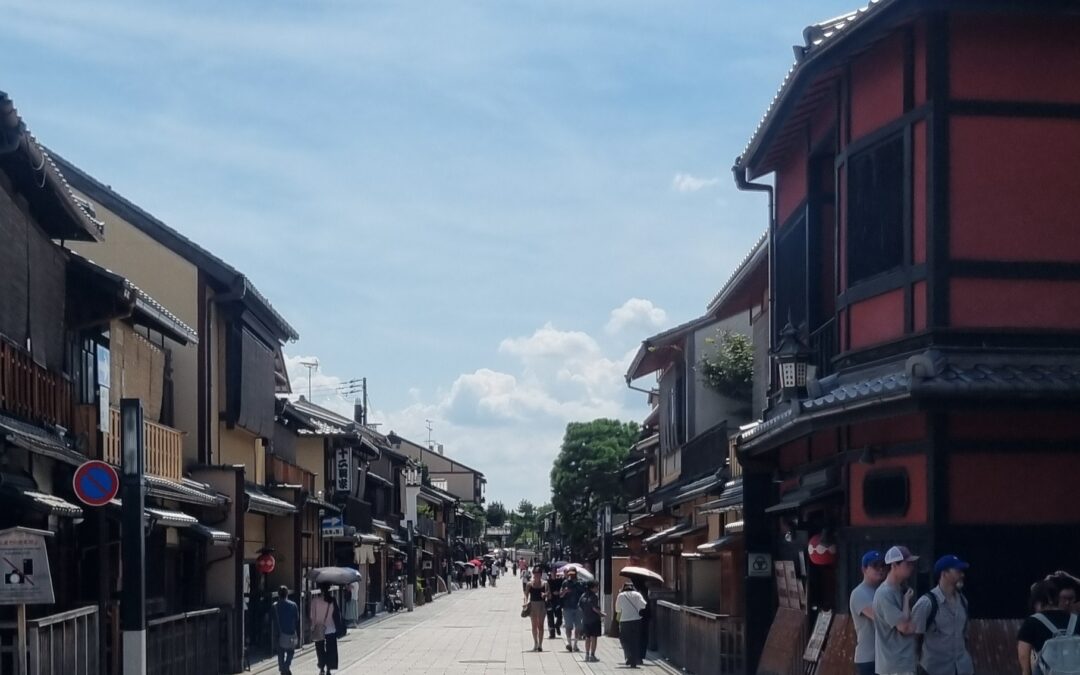
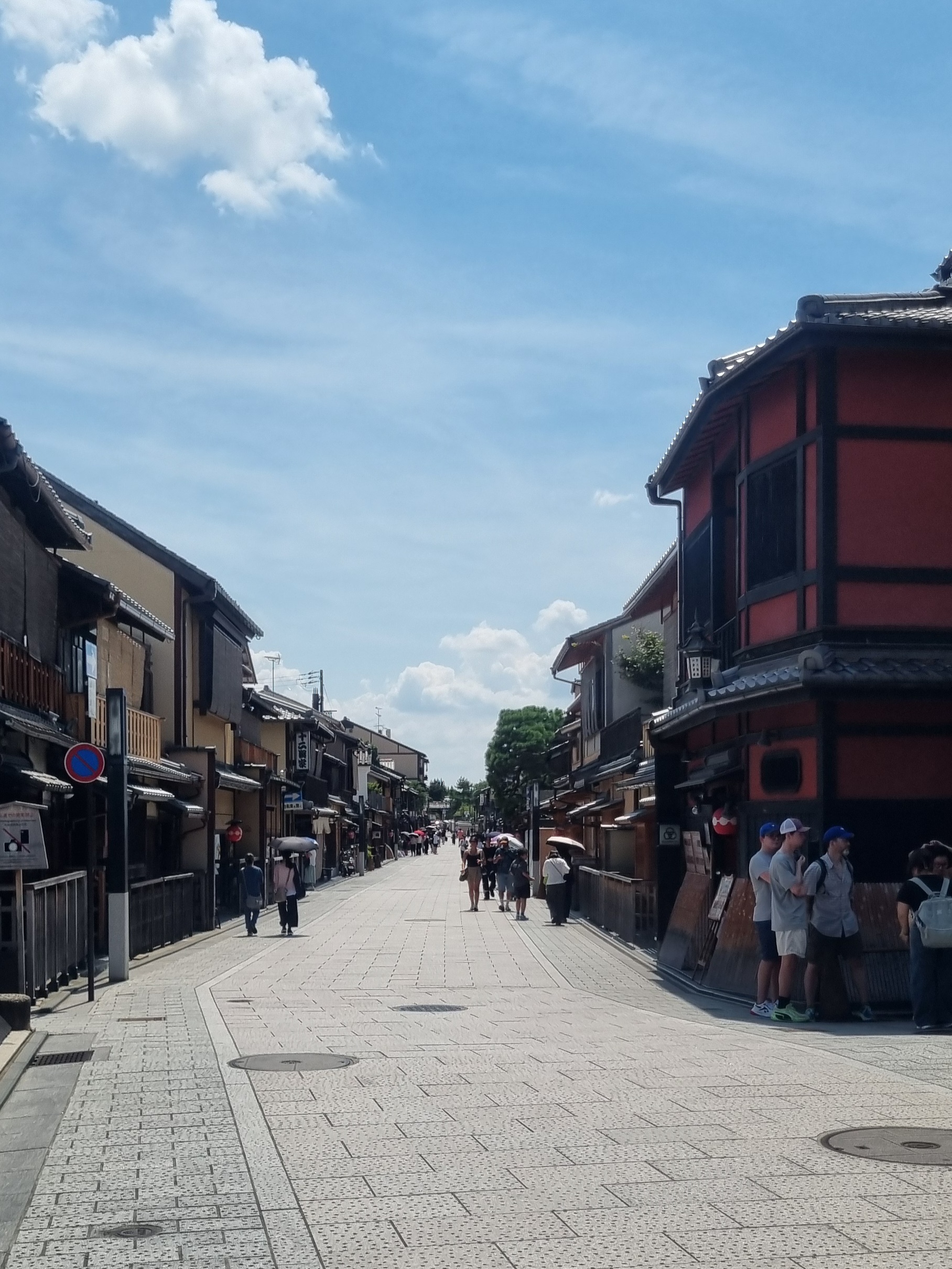
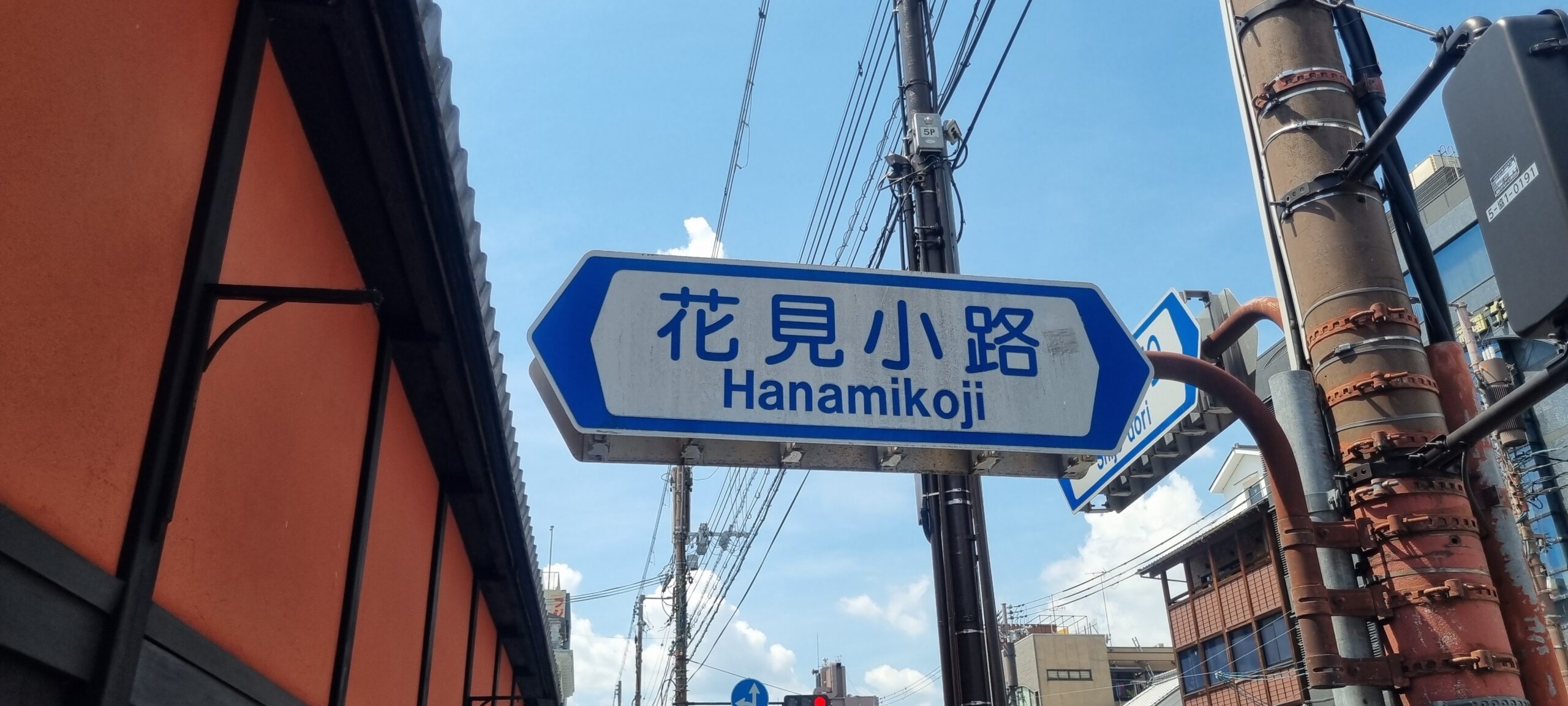
Wandering Through Gion
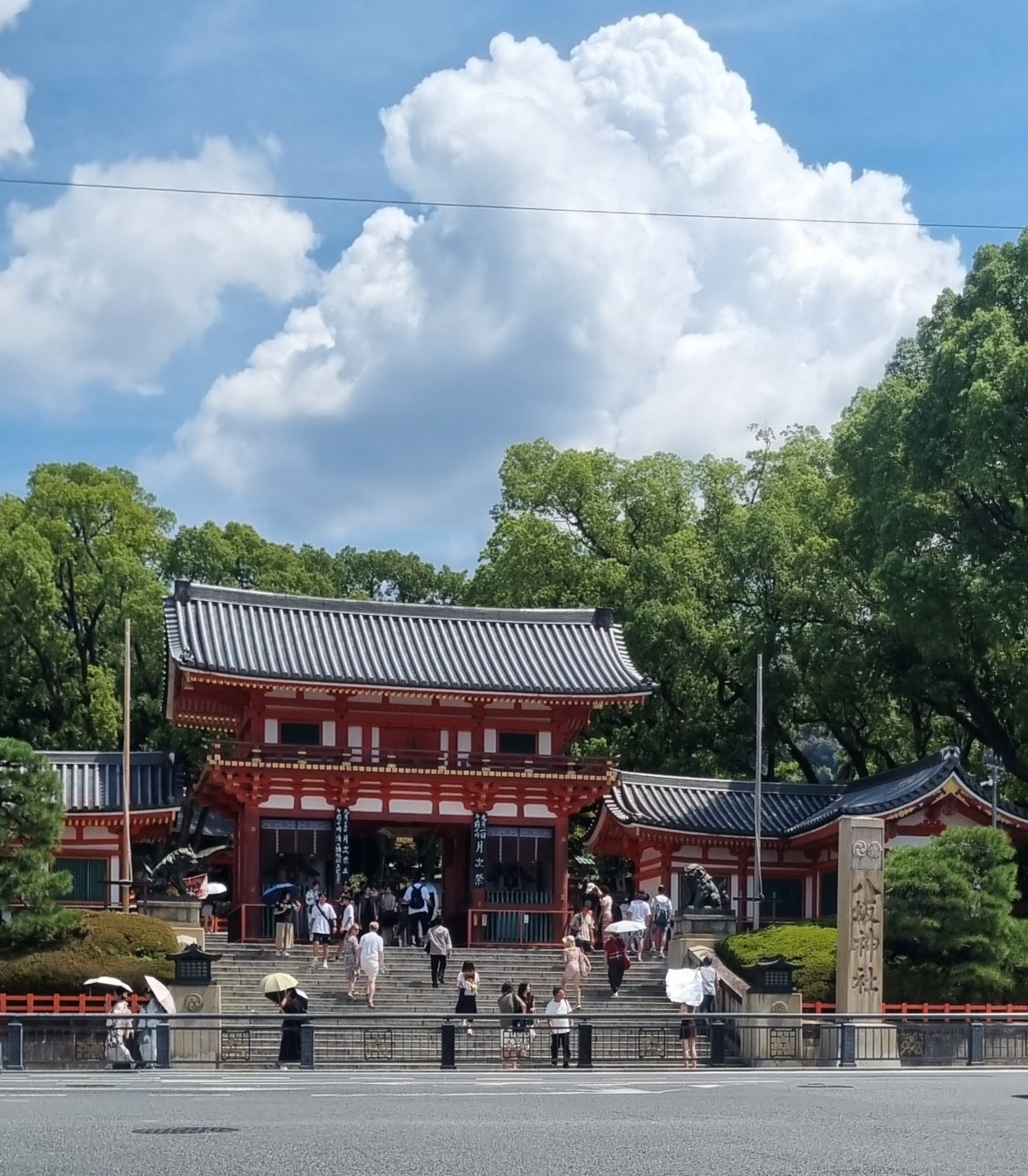
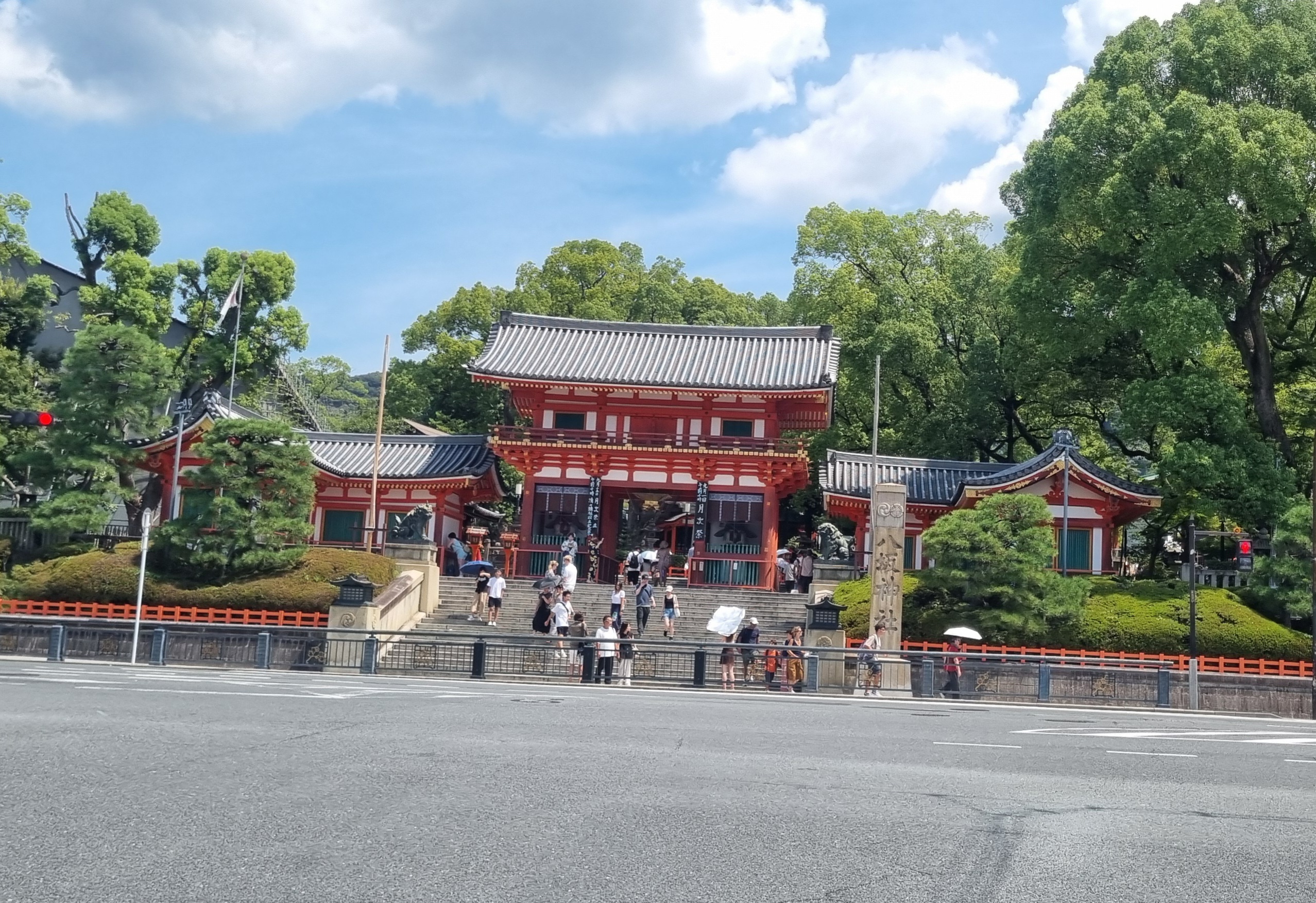
Gion feels different from the rest of Kyoto.
The modern city seems to fade away as you walk through narrow streets lined with traditional wooden buildings, paper lanterns, tea houses, and hidden alleys.
It’s the Kyoto most people picture when they imagine old Japan.
Walking through the district in the evening is particularly magical. As daylight fades, lanterns begin to glow, and the entire neighbourhood takes on a quiet atmosphere that feels timeless.
It isn’t difficult to understand why so many films and photographs focus on this part of Kyoto.
Even without an itinerary, simply wandering through Gion became one of my favourite experiences in the city.
Breweries, Gyoza, and Questionable Self-Control
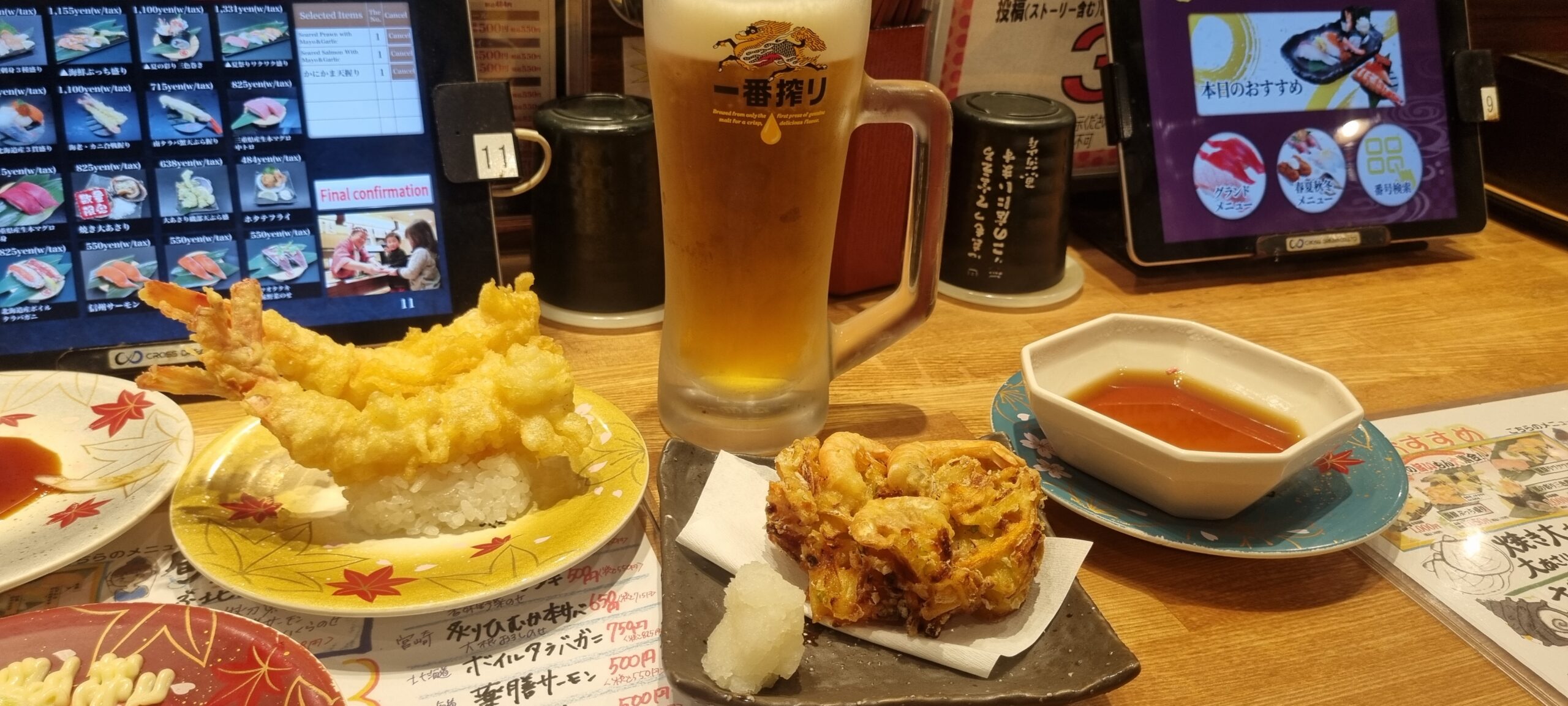
Let’s talk about gyoza.
Because I certainly did.
Frequently.
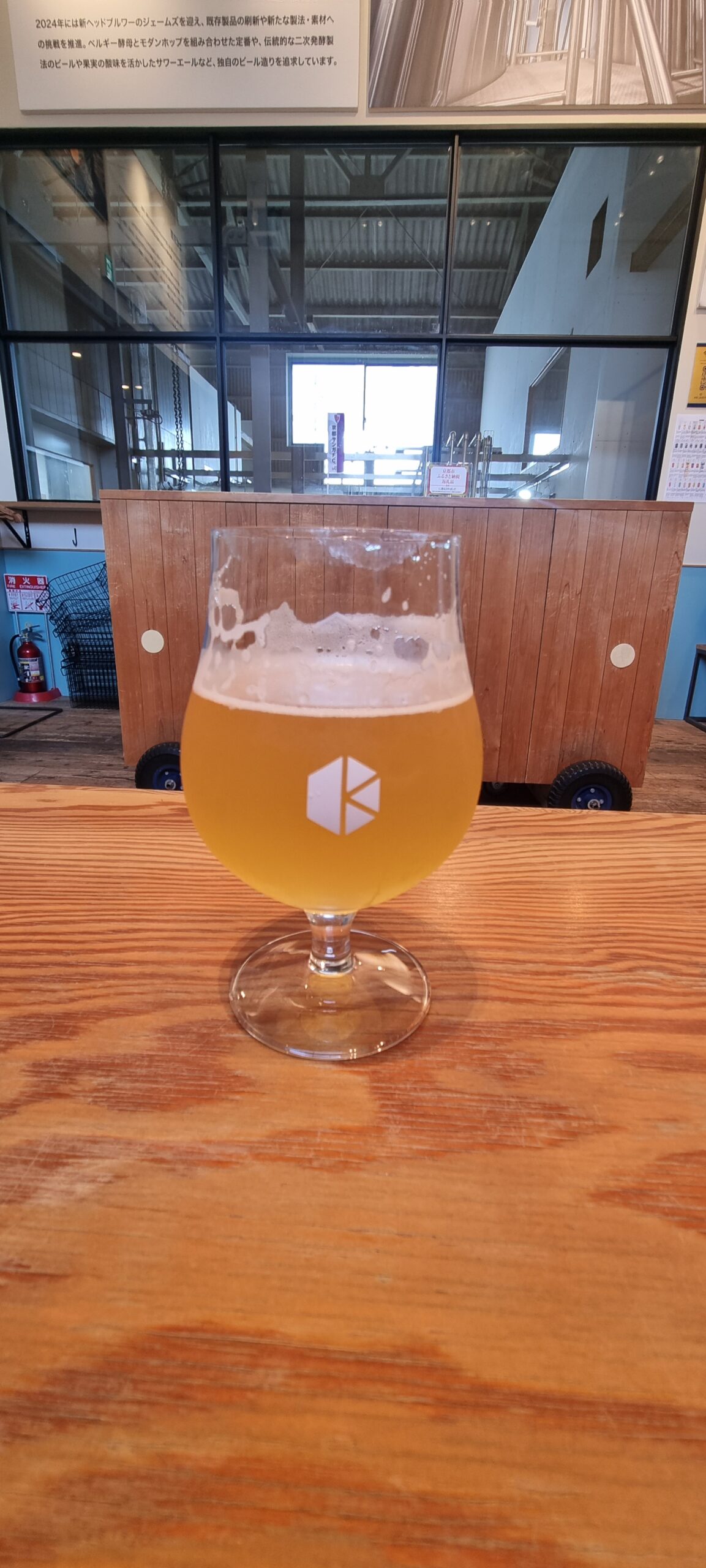
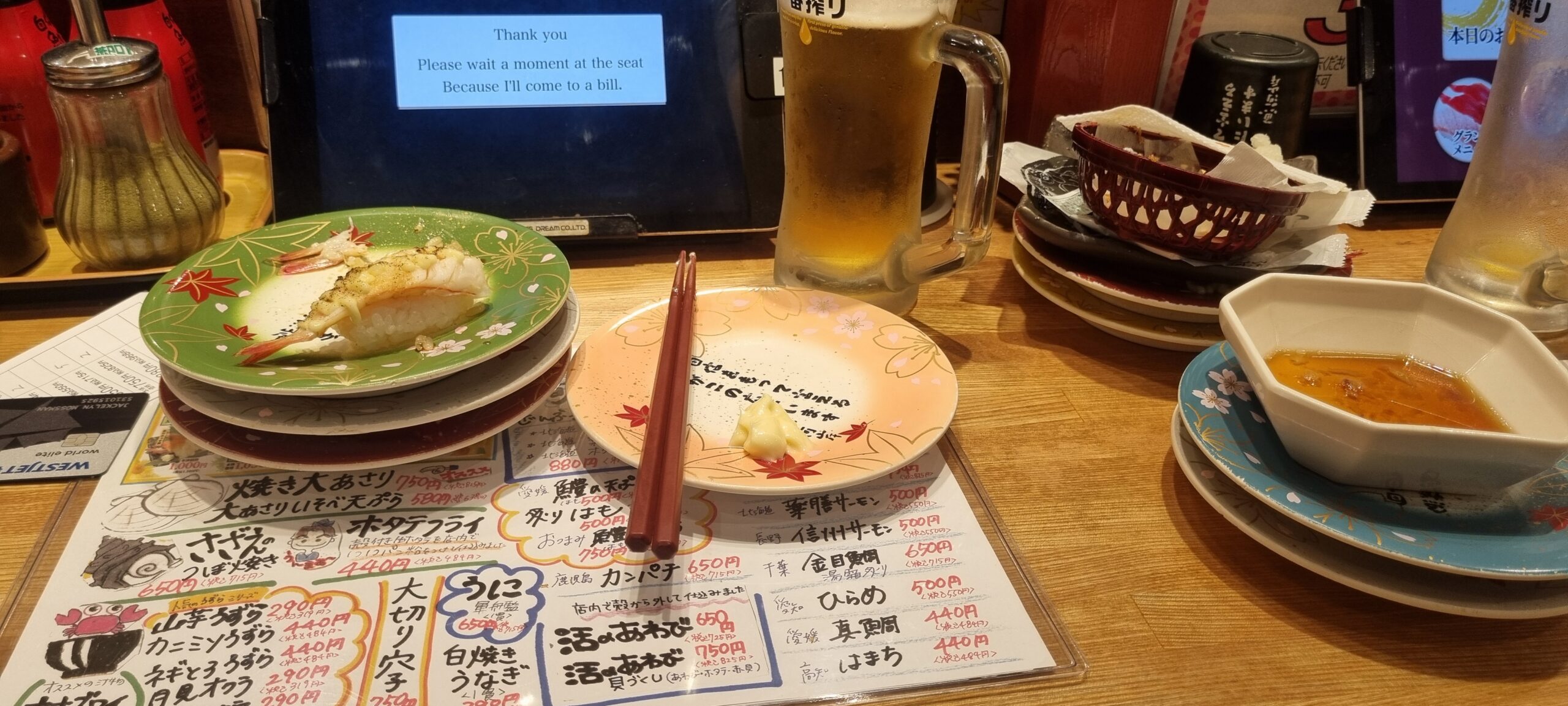
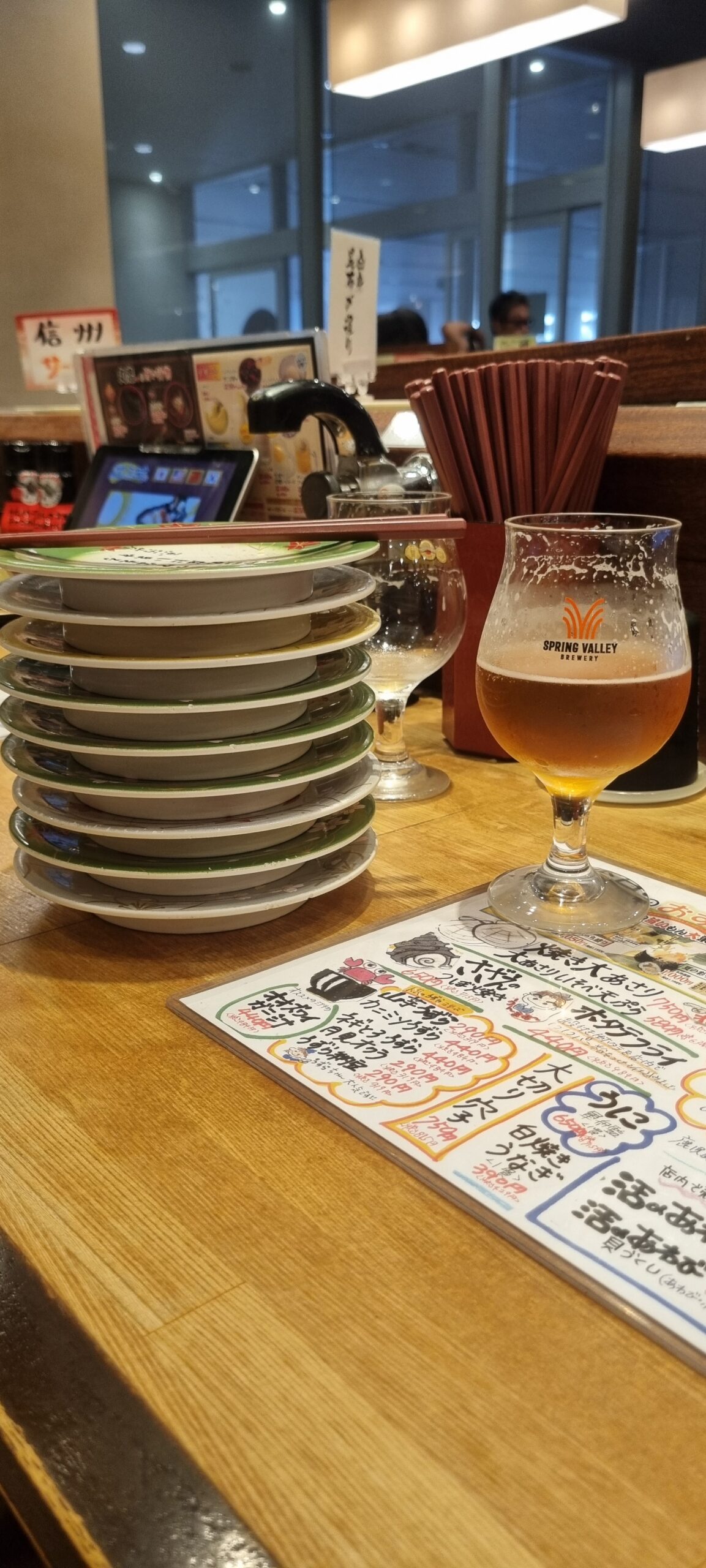
Kyoto may be known for temples and history, but I became equally fascinated by the local breweries and endless opportunities to order “just one more plate.”
What started as a quick stop for dinner often became an evening spent sampling local craft beers alongside perfectly crispy dumplings.
There is something deeply satisfying about sitting in a Japanese brewery after a long day of exploring.
Especially when every table around you seems to be having just as much fun as you are.
I can’t say I discovered Kyoto’s greatest gyoza.
I’m not sure such a title even exists.
But I can confidently say I conducted extensive research.
Purely for journalistic purposes, of course.
Nijo Castle offered a fascinating glimpse into Japan’s feudal past.
Exploring Nijo Castle
Walking through the historic grounds, it’s easy to imagine the power and influence that once flowed through these halls.
The beautifully preserved buildings are impressive on their own, but what stood out most was how much attention was given to detail.
Elaborate artwork.
Intricate woodwork.
Carefully designed gardens.
Everything seemed designed to communicate authority and elegance at the same time.
It’s one of those places where history stops feeling like something you read in a book and starts feeling very real.
Skipping Kyoto’s Most Famous Bamboo Forest
We skipped Arashiyama Bamboo Forest.
On purpose. This might sound controversial. I know. Travel bloggers everywhere are probably gasping.
But after hearing countless stories about the crowds, packed pathways, and endless lines of people waiting for photos, we decided to try something different.
Instead, we visited Kyoto Gyoen National Garden.
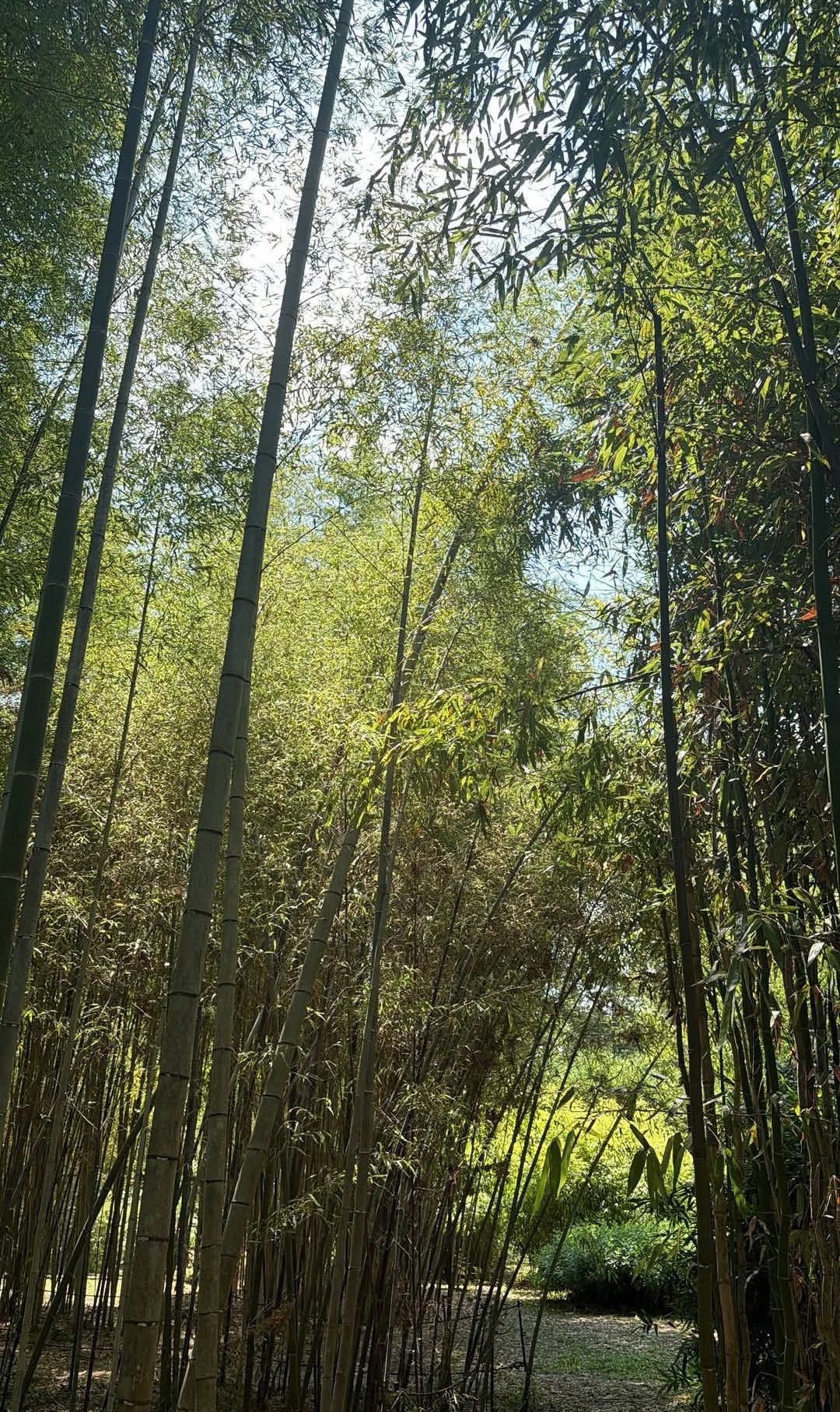
And there, tucked away within the gardens, we discovered our own bamboo forest.
No crowds.
No photo lines.
No influencers posing for thirty-seven takes of the same shot.
Just towering bamboo swaying gently in the breeze.
For several stretches, we didn’t see anyone else at all.
It felt peaceful.
Authentic.
And honestly?
Exactly what I imagine people hope to experience when they visit a bamboo forest in the first place.
Sometimes the best travel decision is choosing the less famous option.
Why It’s Worth It
- Kyoto isn’t just about checking famous landmarks off a list.
- It’s a city where small moments often become the highlights.
- A hidden bamboo grove instead of the famous one.
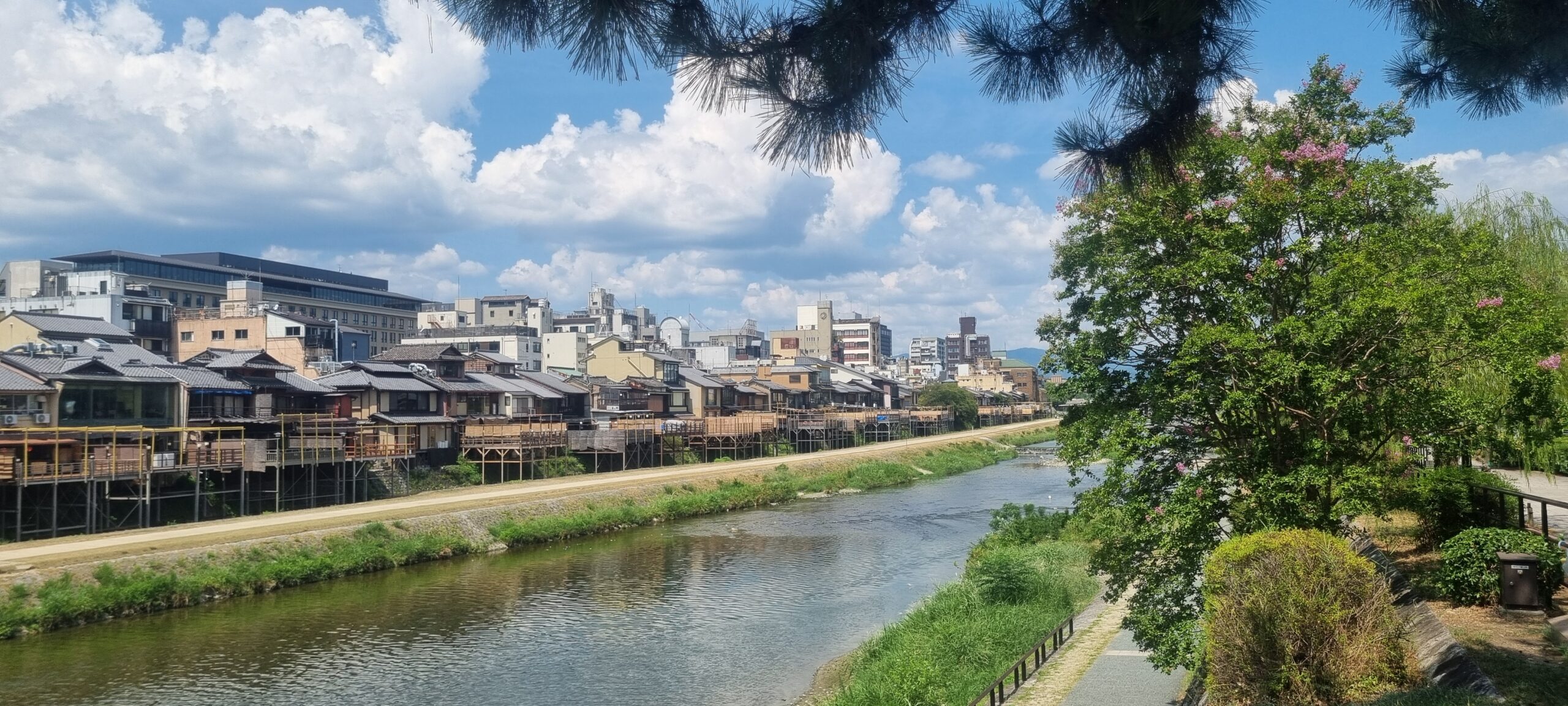
- A quiet walk along the river.
- A neighbourhood that feels frozen in time.
- A plate of gyoza that somehow turns into three plates.
- And a bag of furikake that follows you all the way home.
- Three days wasn’t nearly enough to see everything Kyoto has to offer.
- But it was enough to remind me that some of the best travel experiences happen when you leave room for unexpected discoveries.
- And in Kyoto, those discoveries seem to happen around every corner.
Please note that I have not received these products for free or at a discounted price in exchange for my opinion. There may be links that are affiliate links but at the time of posting this review, I have not received any monetary kickbacks.